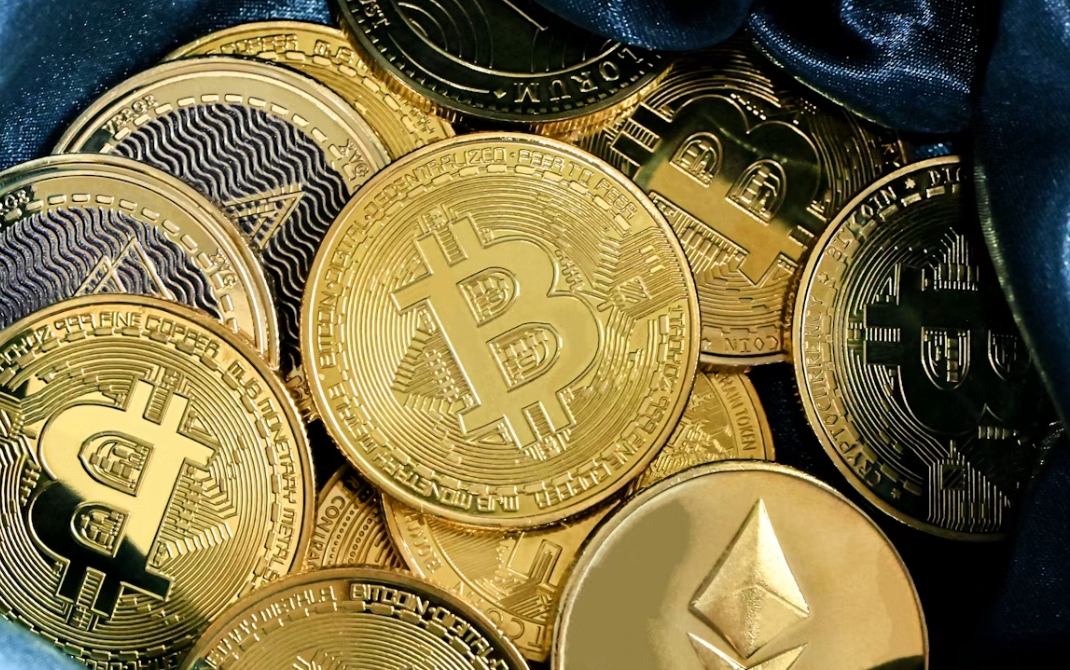


Security Tokens
How Digital Asset Tokenization is Transforming Asset Ownership
Ownership is changing—and it’s happening faster than most businesses expected. In the past, investing in assets like real estate or private equity required large capital and long processes. Today, digital asset tokenization is reshaping that model by making ownership more flexible, accessible, and efficient.
A New Way to Think About Ownership
At a fundamental level, digital asset tokenization converts ownership rights into digital tokens on a blockchain. However, its real impact lies in how it changes who can invest and how they participate.
Making Ownership More Accessible
Traditionally, only a limited group of investors could afford high-value assets. Now, businesses and individuals can divide these assets into smaller units.
As a result, digital asset tokenization allows investors to buy fractions instead of full ownership. This shift lowers entry barriers and brings more participants into the market.
Expanding Opportunities Globally
At the same time, geography no longer limits investment opportunities.
With digital asset tokenization, businesses can reach global investors, while investors can explore opportunities beyond local markets. Consequently, this creates a more connected and dynamic investment ecosystem.
Improving Liquidity and Speed
Liquidity has always been a challenge for traditional assets. Selling them often takes time, effort, and multiple intermediaries.
Faster Transactions and Greater Flexibility
Now, digital asset tokenization changes that experience.
- Investors can trade assets more quickly
- Markets can operate around the clock
- Transactions can settle faster
Because of this, assets that once felt “locked” become more fluid and easier to manage.
Reducing Costs Along the Way
In addition, automation plays a major role.
Smart contracts handle tasks like ownership transfers and compliance. Therefore, businesses reduce reliance on intermediaries, which lowers costs and simplifies operations.
Building Trust Through Transparency
Trust remains essential in any ownership model. Fortunately, digital asset tokenization strengthens it in several ways.
Clear and Verifiable Records
Blockchain technology records every transaction in a secure and transparent way.
As a result, businesses and investors can track ownership history without confusion. This level of clarity reduces disputes and builds confidence.
Simplifying Compliance
At the same time, smart contracts enforce rules automatically.
This means organizations can manage regulatory requirements more efficiently. Instead of manual checks, systems ensure compliance in real time.
Real-World Impact Across Industries
Digital asset tokenization is not just theoretical—it is already shaping multiple industries.
From Real Estate to Financial Assets
For example, companies now tokenize real estate, allowing investors to earn returns without owning entire properties. Similarly, financial instruments like bonds and funds are becoming more accessible through tokenization.
New Ways to Raise Capital
Moreover, businesses use digital tokenization to attract a broader range of investors.
By offering fractional ownership, they create new funding opportunities while building stronger engagement with stakeholders.
Also Read: Unlocking Wealth With Tokenized Real World Assets
Conclusion
Digital asset tokenization is changing how businesses and investors think about ownership. It makes assets more accessible, improves liquidity, and simplifies complex processes.
More importantly, it creates a system that feels faster, fairer, and more inclusive. As markets continue to evolve, digital asset tokenization will play a key role in shaping the future of ownership.