

Tokenization
How Tokenization Is Transforming Global Supply Chains: Transparency, Tracking & Trust
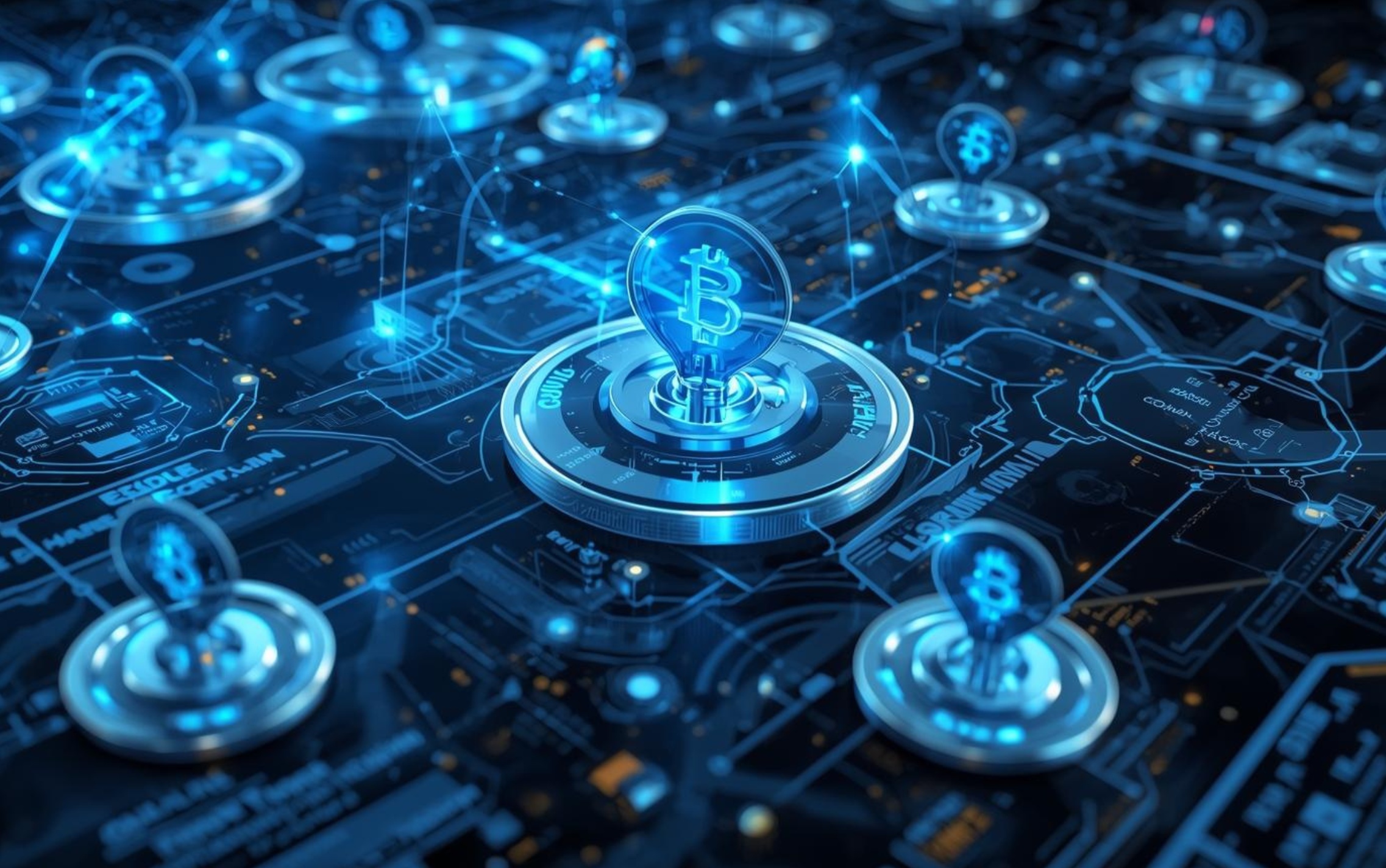
Global supply chains are becoming more complex, faster, and more data-driven. Yet many companies still depend on slow manual processes and fragmented systems. Tokenization in supply chains solves these challenges by turning physical goods, documents, and transactions into secure digital tokens on a blockchain.
This shift increases transparency, enables real-time tracking, and builds trust across every stakeholder. As we move into 2026 and beyond, businesses worldwide are adopting tokenization to improve reliability, cut costs, and prevent fraud.
Also Read: Why Tokenization Matters More Than Ever in a Data-Driven World
1. Tokenization Creates a Single Source of Truth
One of the biggest problems in global trade is data inconsistency. Different suppliers, carriers, and warehouses often use separate systems that do not communicate well. Tokenization in supply chains eliminates this issue by converting every asset, shipment, or document into a digital token with a permanent, tamper-proof record.
This ensures:
- Everyone sees the same data
- No duplicate entries
- No missing information
- Strong protection against data manipulation
When all parties rely on a unified digital record, trust increases and disputes drop dramatically.
2. Real-Time Tracking for Every Asset
Modern supply chains depend on accurate tracking. But traditional tracking tools often provide updates too late or only at key checkpoints. With tokenization in supply chains, every product or shipment receives a digital token containing live status updates.
Tokens can store:
- Location
- Condition (temperature, humidity, pressure)
- Timestamped movement
- Ownership changes
This is especially valuable for industries like pharmaceuticals, automotive, food, and electronics. Real-time visibility reduces delays, prevents spoilage, and makes delivery timelines more predictable.
3. Boosting Transparency Across All Stakeholders
Tokenization dramatically increases transparency because each token carries verified data that cannot be altered. This ensures every stakeholder, from manufacturers to logistics providers to customers, can see exactly where goods are, how they move, and who handled them.
This transparent model:
- Reduces fraud
- Minimizes counterfeiting
- Enhances product authenticity
- Strengthens supplier accountability
For high-value goods like luxury products, medical supplies, and semiconductors, this level of visibility becomes a major competitive advantage.
4. Automating Processes Through Smart Contracts
Smart contracts make tokenization in supply chains even more powerful. These self-executing digital agreements automatically trigger actions when conditions are met. That means payments, approvals, and compliance checks happen instantly without manual work.
For example:
- A payment releases automatically when goods arrive
- Compliance checks run without human oversight
- Insurance claims process themselves
- Import and export licenses validate in real time
This automation reduces human error, speeds operations, and lowers administrative costs.
5. Strengthening Trust with Immutable Records
Trust is one of the most important factors in global trade. Many disputes arise because records are incomplete, inconsistent, or unverifiable. Tokenization in supply chains solves this by keeping every transaction on a tamper-proof blockchain.
This creates:
- Permanent proofs of delivery
- Verified quality checks
- Authenticity verification
- Transparent audit trails
Businesses no longer rely on paper documents or disconnected databases. Instead, every interaction is secure, verifiable, and ready for auditing at any time.