

Tokenization
Cross-Chain Tokenization: The Future of Interoperability
Blockchain technology is revolutionizing digital transactions, but one significant challenge remains—interoperability. Different blockchain networks operate in isolation, limiting the seamless exchange of assets across platforms. Cross-chain tokenization is emerging as the solution, enabling assets to move freely between networks, enhancing liquidity, and expanding blockchain adoption.
Cross-chain tokenization refers to the process of creating digital tokens that can be transferred and utilized across multiple blockchain networks. Unlike traditional tokenization, which confines assets to a single blockchain, cross-chain tokenization ensures interoperability, allowing users to leverage the benefits of different networks without restrictions.
1. Enhanced Liquidity & Accessibility
Interoperability allows tokenized assets to move seamlessly between networks, increasing liquidity and unlocking greater value for investors and users.
2. Decentralized Finance (DeFi) Expansion
Cross-chain tokenization enhances DeFi applications by enabling users to utilize assets across different platforms, fostering a more interconnected financial ecosystem.
3. Optimized Blockchain Utilization
Each blockchain has unique strengths—Ethereum excels in smart contracts, while Solana offers high-speed transactions. Cross-chain tokenization enables users to capitalize on the best features of multiple blockchains.
How Cross-Chain Tokenization Works
Several technologies and protocols enable cross-chain functionality.
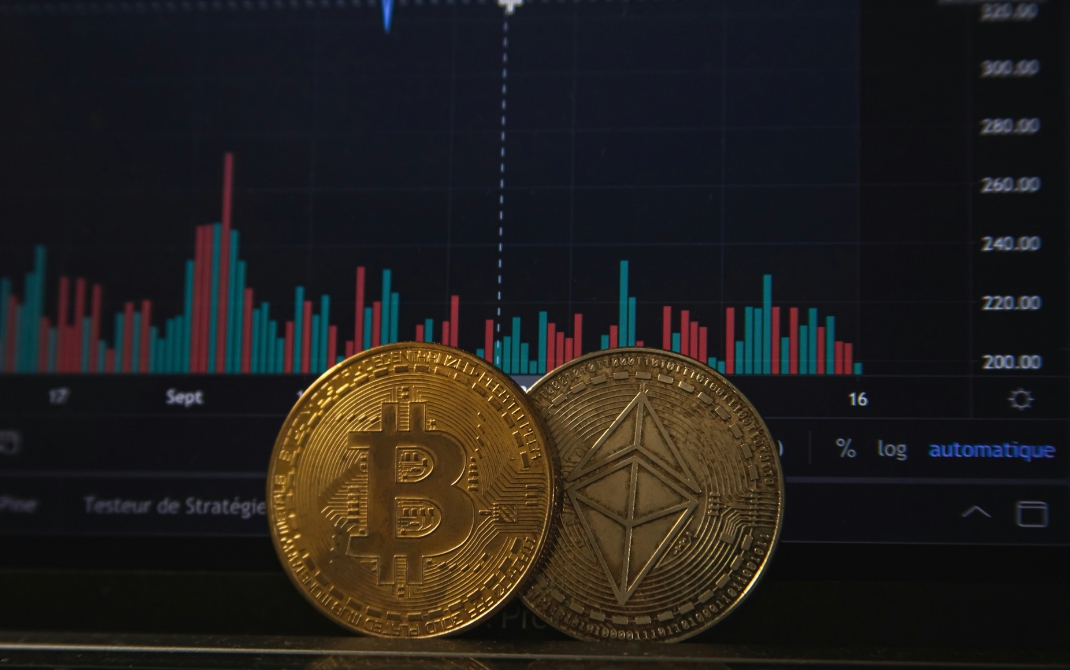
- Wrapped Tokens: These represent assets from one blockchain on another (e.g., Wrapped Bitcoin (WBTC) on Ethereum)
- Atomic Swaps: A trustless way to swap assets between different blockchains without intermediaries
- Interoperability Protocols: Solutions like Polkadot, Cosmos, and Chainlink CCIP facilitate seamless asset transfers
What are the Challenges
- Security Risks: Smart contract vulnerabilities and bridge exploits pose significant risks
- Regulatory Uncertainty: Compliance across multiple jurisdictions remains a concern
- Scalability: Managing high transaction volumes across chains requires robust infrastructure
What is the Future Outlook
As blockchain adoption grows, advancements in cross-chain protocols will drive seamless interoperability, making blockchain networks more interconnected than ever.
Conclusion
Cross-chain tokenization is a game-changer, fostering a truly interconnected blockchain ecosystem. By breaking down silos and enhancing interoperability, this innovation is shaping the future of decentralized finance, digital ownership, and asset mobility.